🏺 Byblos: The World’s Oldest Living Port City
Byblos, also known as Jbeil, is one of the oldest continuously inhabited cities in the world. Its history goes back to around 5000 BCE.

Oldest city in Lebanon
This ancient Phoenician city is in Lebanon. It has been a key port for thousands of years. It shows a rich history of over 7,000 years.
Now, Byblos is a UNESCO World Heritage Site. It draws visitors from all over. They come to see its ancient ruins and learn about its history.
Key Takeaways
- Byblos is one of the oldest continuously inhabited cities in the world.
- The city has a rich history dating back to around 5000 BCE.
- Byblos was a significant port city in the ancient Phoenician civilization.
- It is now a UNESCO World Heritage Site.
- The city continues to attract visitors with its ancient ruins and historical significance.
1. Why Byblos Stands Alone as Humanity’s Most Enduring Urban Experiment
Byblos is a city in Lebanon with a history of over seven millennia. It started as a small fishing village and grew into a powerful Phoenician port. This shows its ability to adapt and survive.
The city’s location on the Mediterranean coast helped it grow. The natural harbor made it a key spot for trade and commerce. This helped Byblos become a major cultural and economic center in the ancient world.

Byblos ancient city
- Continuous Inhabitation: People have lived in Byblos for over 7,000 years. This shows its lasting appeal and ability to adapt.
- Strategic Location: Its spot on the Mediterranean coast made it perfect for trade and cultural exchange.
- Resilience and Adaptation: Byblos has faced many challenges and adapted well to them.
Byblos’s history is filled with different cultures, like the Phoenicians, Romans, and Crusaders. The city’s ability to welcome and blend different cultures has helped it thrive. Today, Byblos is a mix of ancient ruins and modern life, showing how the past and present can coexist.
Byblos is more than just a historical site. It’s a model for sustainable and resilient cities. As one of the oldest continuously inhabited cities in the world, it offers lessons on how to make a city last and succeed.
2. Seven Thousand Years in the Making: The Origins of Byblos
Around 5000 BCE, a small Neolithic settlement started on the Mediterranean coast. It would become the city of Byblos. This was the start of a long-lasting urban experiment.
The area’s natural resources helped the village grow into a city. The Mediterranean Sea offered food and a way to travel. The land around it was perfect for farming.
The Neolithic Settlement That Refused to Die
The Neolithic settlement in Byblos was not alone. It was part of a big change in the region. People here started living in one place, unlike their nomadic ancestors.
Key characteristics of this early settlement included:
- Advanced agricultural practices
- Early forms of social organization
- Trade networks that extended beyond the local area
What 5000 BCE Looked Like on the Mediterranean Coast
The Mediterranean coast around 5000 BCE was lively and changing. The sea was full of food, and the coast had natural harbors. These helped with early sea trade.
| Aspect | Description |
| Geography | Fertile coastal plains and natural harbors |
| Economy | Agriculture, fishing, and early trade |
| Culture | Emerging social complexity and cultural practices |

Neolithic settlement on the Mediterranean coast
These factors made a great place for Byblos to grow. Over time, it became a key cultural and economic center. It set the stage for its future as a major city.
3. The Phoenician Transformation: From Village to Maritime Superpower
The Phoenicians turned Byblos into a major sea power over time. They used their creativity and the city’s great location. Byblos became a key spot for trade and sharing cultures with other ancient civilizations.
How Geography Shaped Destiny
Byblos had a perfect harbor and was close to the Mediterranean Sea. This made it great for sea trade. The Phoenicians, with their skills in sailing and trading, made Byblos a major sea empire.
The mountains around Byblos kept it safe. The nearby forests had lots of wood for building ships. This helped Byblos become a big name in ancient sea trade.
“The Phoenicians were the master shipbuilders and navigators of the ancient world, and Byblos was one of their most important strongholds.”
The Infrastructure of Ancient Commerce
The Phoenicians built a strong base in Byblos for their sea trade. They made advanced ships, warehouses, and places for docking. The city’s setup helped move goods quickly and fix ships.
- They built strong, safe ships for the sea.
- Warehouses kept goods safe.
- Docking areas helped load and unload cargo.
Byblos’ setup was key to its success as a sea power. It could handle big trade jobs, making it a big player in the ancient world.
4. The Cedar Trade That Built Egypt’s Greatest Monuments
For thousands of years, Byblos was key in the cedar trade. It supplied ancient Egypt with timber for their big buildings. The city’s close location to Lebanon’s cedar forests made it perfect for this trade.
Why Egyptian Pharaohs Couldn’t Build Without Byblos
The cedar wood from Byblos was loved by Egyptian pharaohs. It was strong and of high quality. They used it for temples, tombs, and ships, helping Egypt in architecture and sea travel.
Cedar wood’s significance is clear in Egyptian buildings. It was used for beams, doors, and even sacred barges.
The Ships That Carried Civilization Across the Sea
The ships from Byblos to Egypt were amazing feats of engineering. They carried cedar wood and other valuable goods. This helped in a rich exchange of culture between the two.
The maritime trade route between Byblos and Egypt was vital. Byblos gave raw materials, and Egypt offered power and economy in return.
| Commodity | Origin | Destination | Significance |
| Cedar Wood | Byblos | Egypt | Used in monumental architecture and shipbuilding |
| Papyrus | Egypt | Byblos | Used for writing and record-keeping |
| Grains | Egypt | Byblos | Sustained the population and supported trade |
Economic Dependency and Political Power
The cedar trade made a complex relationship between Byblos and Egypt. Byblos had power over cedar, while Egypt had economic and military strength. This balance was key to their relationship.
This balance of power was a key part of the Byblos and Egypt relationship. Both sides gained from the trade but also competed for control.
5. From Papyrus Scrolls to the Word “Bible”: Byblos as Linguistic Legacy
The ancient city of Byblos has made a lasting impact on human history, mainly in written language. For ages, Byblos was a key spot for trading papyrus scrolls. These scrolls were very valuable back then. The city’s role in spreading written knowledge is shown by the word “Bible” itself.
The Greek Traders Who Named Books After a City
The word “Bible” comes from the Greek “biblion,” meaning book. This connection to Byblos is not just a coincidence. It shows the city’s big role in the ancient book trade. Greek traders, who often visited Byblos, called the scrolls they bought “biblia,” or books from Byblos. This term eventually meant any important written work.
“The city’s name became associated with the very concept of a book.” This shows how Byblos has shaped written language. The city’s influence on written works has deeply affected human culture.
How Commerce Shapes Language Across Millennia
The tale of Byblos and the word “Bible” shows how trade affects language. As a big commercial center, Byblos helped exchange goods and ideas. The city’s merchants were key in spreading written knowledge far and wide.
“The traffic in papyrus and other written materials helped to establish a common language and cultural heritage across the Mediterranean.”
Byblos’ legacy teaches us about the link between commerce, language, and culture. As we face today’s global challenges, Byblos’ story gives us insights. It shows how trade and communication shape our shared human journey.
6. The Archaeological Miracle: Why the Oldest City in Lebanon Reveals So Much
Walking through Byblos, you feel history come alive. Ruins show a city lived in for thousands of years. It’s a place where history is layered, waiting to be discovered.
The Phoenician Temple and Sacred Precinct
The Phoenician temple in Byblos is a key site. It shows us how the Phoenicians worshipped. The temple and its sacred area tell us about their religious life.
Phoenician religious practices were tied to nature and trade. The temple’s design shows their engineering skills. They were known for their sailing and business talents.
Roman Colonnade and the Transformation of Urban Space
The Roman colonnade in Byblos marks a new chapter. Built by the Romans, it changed the city’s look. It made a space for people to meet and do business.
The Romans mixed their style with the Phoenicians’. This mix is seen in the colonnade. It shows how Byblos grew and changed over time.
The Crusader Castle Overlooking Ancient Layers
The Crusader castle sits above Byblos’ old layers. Built by the Crusaders, it guarded the city. It also watched over the area around it.
The castle is a key site for learning about military design. It shows Byblos’ role as a key spot through history.
| Period | Significant Structures | Characteristics |
| Phoenician | Temple and Sacred Precinct | Religious significance, advanced engineering |
| Roman | Colonnade | Transformation of urban space, blend of architectural styles |
| Crusader | Castle | Military architecture, strategic location |
7. UNESCO World Heritage Status: Recognition and Responsibility
Byblos, a city with a rich history, has been recognized by UNESCO as a World Heritage Site. This honor comes with a big responsibility. It’s to keep the city’s heritage safe for future generations.
What International Recognition Really Means
The UNESCO World Heritage status is for sites with outstanding cultural or natural heritage. Byblos’s inclusion shows its importance to Lebanon and the world. It highlights the city’s role in connecting ancient and modern times.
Preservation is key for UNESCO. For Byblos, this means protecting its ancient sites, buildings, and traditions. It’s a big job, with the city always changing and modern development pressing in.
The Delicate Balance Between Tourism and Preservation
Tourism can be good or bad for heritage sites. It can help preserve them and raise awareness. But, too much tourism can harm the site. Byblos must find a way to manage this.
Good management is essential. This includes controlling visitor numbers, using sustainable tourism, and making sure tourism money goes back into preservation.
| Challenge | Strategy | Benefit |
| Managing Tourism | Limiting visitor numbers | Reduced strain on historical sites |
| Preservation | Sustainable practices | Long-term conservation of heritage |
| Economic Benefits | Reinvesting tourism revenue | Funding for preservation and local communities |
By finding the right balance, Byblos can grow as a living city while keeping its heritage safe. The UNESCO World Heritage status is a nod to its past and a promise for its future.
8. Walking Where Phoenician Merchants Walked: The Byblos Experience
Byblos invites travelers to walk in the footsteps of Phoenician merchants. It’s one of the oldest cities in the world. Here, ancient ruins meet modern life in a unique way.
The Ancient Harbor Where History Began
The ancient harbor of Byblos is a historical wonder. The Phoenicians built their ships here, making Byblos a key maritime power. Today, visitors can see the remnants of this past glory.
Key Features of the Ancient Harbor:
- The original Phoenician docking areas
- Remnants of Roman and Crusader structures
- A bustling modern marina
Touching Stones That Witnessed Empires Rise and Fall
Walking through Byblos is like walking on history. The city’s streets and buildings are made from stones that saw empires come and go. From the Egyptians and Greeks to the Romans and beyond.
The experience is not just about seeing ancient ruins; it’s about connecting with the living history of Byblos. Byblos stands out because it keeps its past alive while moving forward. It’s a must-see for history buffs, archaeology enthusiasts, or anyone who loves to explore places with deep roots in human history.
Here are some highlights of what visitors can see in Byblos:
- The ancient city walls and gates
- The Crusader-era castle
- The Roman colonnade
9. A Living City, Not a Museum: How Jbeil Refuses to Become a Relic
Byblos is more than an ancient city; it’s a lively community. Here, history and modern life mix well. The city shows how to blend its past into daily life.
Restaurants and Cafes Among Ancient Walls
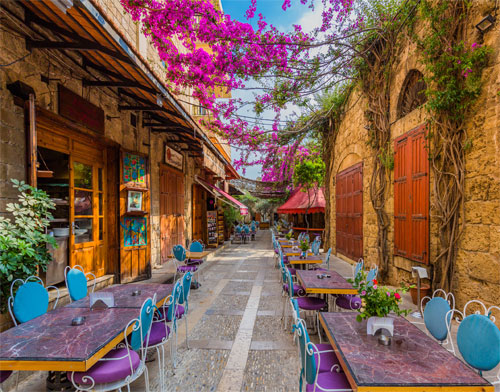
Byblos is special because it uses old structures for new things. Now, restaurants and cafes sit where history once was. You can enjoy Lebanese food by 3,000-year-old walls, making meals unforgettable.
Modern comforts in ancient places don’t just save history; they make it alive. Byblos stays a living city, not just a museum.
The Modern Lebanese Community That Calls Antiquity Home
The people of Byblos protect its history. The local community feels deeply connected to its past. You’ll see kids playing by ancient ruins or families by the old harbor at night.
| Aspect | Ancient Byblos | Modern Jbeil |
| Architecture | Ancient temples and ruins | Blend of old structures with modern buildings |
| Community Life | Historical significance | Vibrant community with traditional and modern practices |
| Economic Activities | Trade and commerce | Tourism alongside traditional trade |
This mix of old and new defines Byblos. The city’s ability to change while keeping its history shows its people’s strength. It proves the lasting charm of this ancient place.
10. The Philosophy of Continuous Habitation: What Survival Teaches Us
Byblos has been inhabited for over 7,000 years. It has seen many civilizations come and go. Yet, it remains a vibrant city, showing us the power of resilience and adaptation.
Why “Oldest Continuously Inhabited” Matters More Than Just “Oldest”
Being “old” and “continuously inhabited” are two different things. Many ancient cities have been left to ruin. But Byblos has kept going, evolving through the ages.
This continuous life shows the city’s strategic value. It has adapted to the needs of each new era.
The importance of continuous habitation lies in several areas:
- Resilience: Byblos has overcome many challenges, from natural disasters to political turmoil.
- Adaptation: The city has changed with the times, ensuring its survival.
- Human Connection: Its ongoing presence links past and present, giving us a glimpse into human history.
Resilience, Adaptation, and Human Stubbornness
Byblos’s survival is due to its resilience, adaptation, and human determination. Its people have always found a way to rebuild and start anew, even when faced with great challenges.
“The city that stands on the shoulders of giants, where every stone tells a story of survival and resilience.”
This quote captures Byblos’s spirit. It’s a city that not only survived but thrived, becoming a beacon of human endurance.
The lessons from Byblos’s continuous habitation are clear. They show us the value of resilience and adaptation in the face of change. As we move forward, learning from Byblos can help us build more sustainable and resilient cities.
11. Byblos in Context: Standing Among Ancient Mediterranean Rivals
Byblos is a symbol of human strength, with ancient streets filled with history. To understand its importance, we must see it alongside other ancient cities of the Mediterranean.
Athens, Rome, and Damascus: Making the Comparison
The Mediterranean has many ancient cities, each with its own story. Athens, Rome, and Damascus are often mentioned with Byblos in talks of old times.
- Athens is known for starting democracy and its art.
- Rome is famous for its buildings and being a big empire.
- Damascus is one of the oldest cities, with a long history.
These cities are old like Byblos, but each has its own path and culture.
The Unique Character of Phoenician Endurance
Byblos, a Phoenician city, stands out. Its Phoenician heritage is marked by sea trade, cultural sharing, and being able to change.
“The Phoenicians were sea experts, their ships carrying goods and ideas across the Mediterranean, leaving a lasting impact on the cultures they met.”
Byblos’s ability to survive and grow shows the cleverness and toughness of its people. Unlike some, Byblos has kept people living there through all of history.
In summary, Byblos is special among ancient Mediterranean cities. It shows how to adapt, be strong, and keep human culture alive.
12. Conclusion: What Byblos Tells Us About Civilization’s Future
Byblos is a symbol of civilization’s strength. Its story shows how humans can overcome challenges. For thousands of years, this city has grown and changed.
Looking to the future, Byblos teaches us to value our past and look forward. It shows us that civilization is always evolving. We can learn from its successes and mistakes.
The city’s story inspires us to build on what our ancestors started. It encourages us to understand our shared history. By doing so, we can create a better future for all.