

Planning corporate events involves more than choosing a venue and setting a date. When employees need to travel for meetings, conferences, exhibitions, retreats or team-building activities, organisations must coordinate several moving parts to ensure everything runs smoothly.
From flight bookings and visa assistance to hotel reservations and ground arrangements, corporate travel requires careful planning. Without the right support, these responsibilities can place additional pressure on HR, administrative and logistics teams.
For many organisations, having a reliable travel partner makes a significant difference. It allows internal teams to concentrate on business priorities while experienced travel professionals coordinate the details.
1. Start with Clear Objectives for Your Corporate Events
Before making travel arrangements, establish what the organisation wants to achieve.
Is the event designed to bring employees together, improve collaboration, reward outstanding performance, provide professional training or support business expansion?
Having clear objectives helps determine the type of event, destination, activities and travel arrangements required.
For example, a leadership retreat may require a different setting and schedule from an international industry conference. Similarly, a staff incentive trip may focus more on shared experiences and employee recognition.
When the objectives are clear, it becomes easier to plan an experience that meets the organisation’s needs.
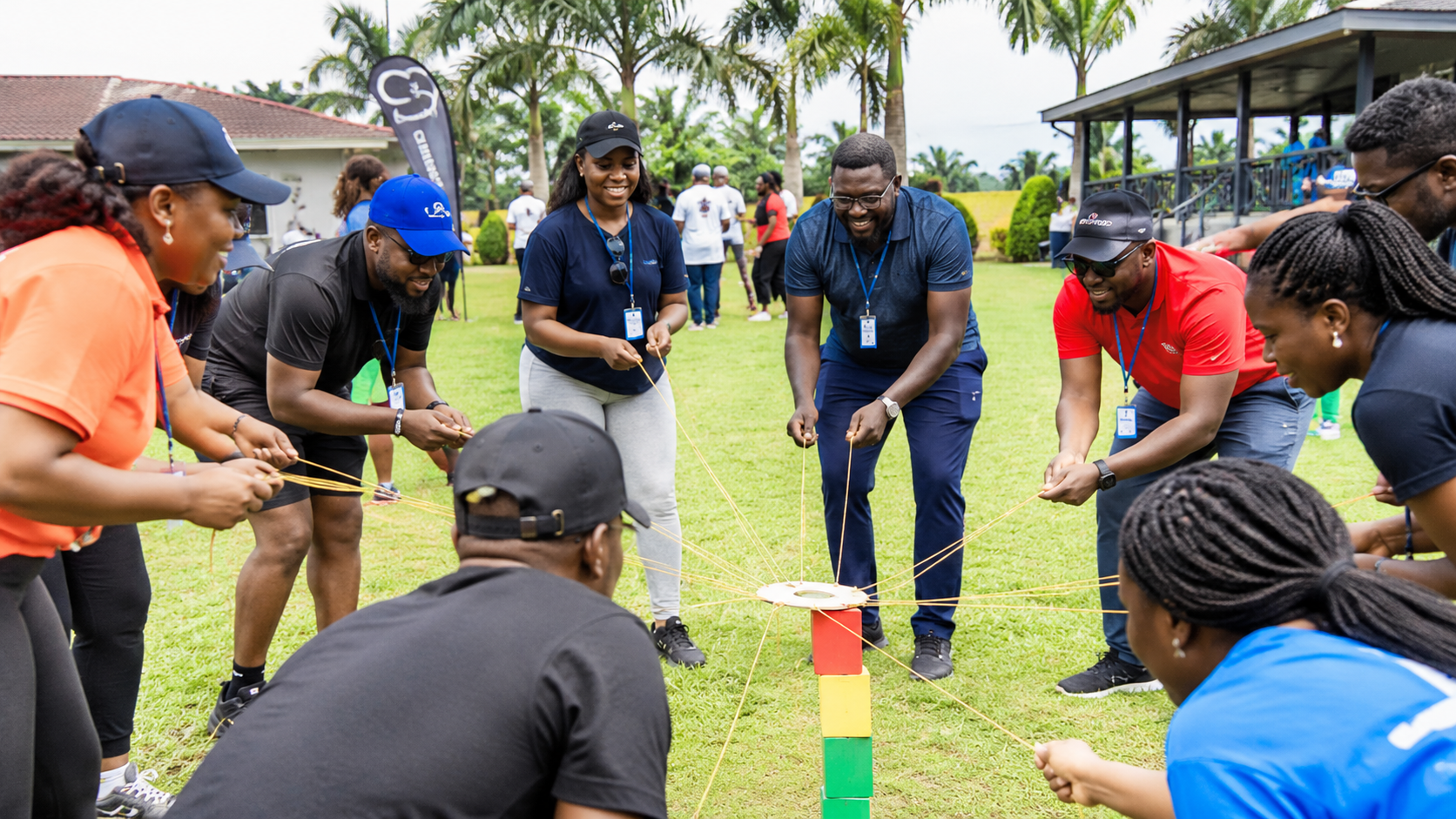
2. Choose Team Building Activities That Encourage Collaboration
Team-building activities can give employees the opportunity to interact outside their usual work environment.
Through carefully selected activities, colleagues can develop stronger working relationships, improve communication and learn how to collaborate more effectively.
Depending on the organisation’s objectives, activities may include:
- Group problem-solving challenges.
- Outdoor recreational activities.
- Leadership and communication exercises.
- Cultural and destination experiences.
- Structured staff engagement programmes.
The important thing is to select activities that encourage participation and create opportunities for meaningful interaction.
A well-planned corporate retreat can combine these experiences with meetings, training sessions and time for employees to connect.
3. Plan Flights and Visa Arrangements Early
Travel documentation and flight coordination are important parts of organising corporate events, especially when employees are travelling internationally.
Organisations may need to coordinate travel for several employees, confirm suitable flight schedules, review passport requirements and make necessary visa arrangements.
Leaving these details until the last minute can create avoidable pressure and make coordination more difficult.
Early planning allows organisations to review travel requirements, organise documentation and make arrangements that align with the event schedule.
Travel Kulture provides flight bookings and visa assistance to support organisations planning business travel, conferences, exhibitions and corporate trips.

4. Arrange Comfortable Accommodation and Travel Logistics
Accommodation is another important consideration when planning corporate events.
The location of the hotel, proximity to the event venue, room arrangements and overall comfort can influence the experience of travelling employees.
For group travel, these arrangements become even more important because several bookings and individual requirements may need to be coordinated.
Organisations should consider accommodation that supports the purpose of the trip, provides convenient access to scheduled activities and makes it easier for employees to follow the event itinerary.
Travel Kulture assists organisations with hotel reservations and travel coordination, helping to bring important arrangements together.
5. Take the Administrative Pressure Off HR and Operations Teams
HR and administrative teams already have important responsibilities within an organisation. Managing multiple travel arrangements alongside their regular duties can become demanding.
Corporate travel may involve coordinating employee details, flight schedules, accommodation, visa documentation, event itineraries and changes to travel plans.
Having a dedicated travel partner helps reduce the amount of coordination that internal teams have to manage themselves.
Instead of handling every booking individually, organisations can work with a travel provider to coordinate the different parts of the journey.
This creates a more organised process and allows employees responsible for HR, administration and operations to focus on their core duties.
6. Make Staff Incentive and Training Trips Part of Your Employee Development Strategy
Corporate travel can also support employee engagement and professional development.
Staff incentive trips provide organisations with an opportunity to recognise employees, reward performance and create shared experiences outside the workplace.
Training programmes and corporate retreats can also give employees opportunities to develop new skills, exchange ideas and strengthen professional relationships.
The experience should be planned around the organisation’s objectives, whether that means employee recognition, team development, leadership training or improved collaboration.
Travel Kulture provides staff training and incentive travel solutions designed to support employee development, engagement and productivity.
7. Work with a Corporate Travel Partner That Understands Your Needs
Successful corporate travel requires attention to detail and coordination across several services.
Working with a travel partner can help organisations bring these arrangements together instead of managing every component separately.
Travel Kulture provides end-to-end travel solutions for corporate organisations, supporting businesses with:
- Flight bookings: Coordinating air travel for employees and corporate groups.
- Visa assistance: Supporting the visa and travel documentation process.
- Hotel reservations: Arranging accommodation for business trips, conferences and corporate retreats.
- Incentive and staff travel programmes: Supporting employee recognition and engagement through planned travel experiences.
- Meetings, conferences and exhibitions: Assisting organisations with travel arrangements for important business events.
- 24/7 travel support: Providing travel assistance when organisations and their employees need it.
Our approach is simple: we handle the travel details so your team can focus on what matters most at work.
Make Your Next Corporate Event Easier to Plan with Travel Kulture
Whether your organisation is planning a leadership retreat, staff incentive trip, international conference, exhibition or corporate travel programme, the right planning and support can make the experience easier to manage.
Travel Kulture works with corporate organisations to coordinate travel arrangements from the initial planning stages through the journey itself.
Rather than placing the entire responsibility on HR, administration or logistics teams, let us help you organise the travel details while your employees focus on the purpose of the event.
Planning a corporate event or team retreat?
Contact Travel Kulture to discuss your organisation’s travel requirements and explore our corporate travel solutions.
Website: https://travelkulture.com/
Corporate Travel Enquiries: https://travelkulture.com/about-us/
Further Reading
For additional information on corporate travel operations, see the International Air Transport Association’s resource on Corporate Travel Departments.

